
Key Takeaways:
- Sending holiday cards after Christmas is perfectly acceptable through early January, especially when you use thoughtful wording and acknowledge the timing lightly.
- Switch your card's message to New Year's or winter greetings if mailing after mid-January, and focus on warmth and connection rather than lengthy apologies.
- Personal touches and seasonally flexible designs can turn a late card into a memorable and appreciated gesture, keeping your holiday spirit alive beyond the traditional window.
Running behind on holiday cards happens to the best of us — and it's not actually rude. Late holiday cards are perfectly acceptable through January (and even into February!) when you use the right timing and wording.
With Minted's thoughtfully designed cards and smart etiquette choices, you can turn your "oops" moment into a memorable gesture that feels intentional and beautiful. Here’s how to get it right.
The Etiquette: How Late Is Still Polite?
The good news: you have more time than you think to send your season’s greeting if you’ve missed the pre-Christmas deadline. These timing guidelines will keep your late holiday card greetings appropriate and appreciated, whether you're a few days or a few weeks behind schedule.
Quality Over Speed
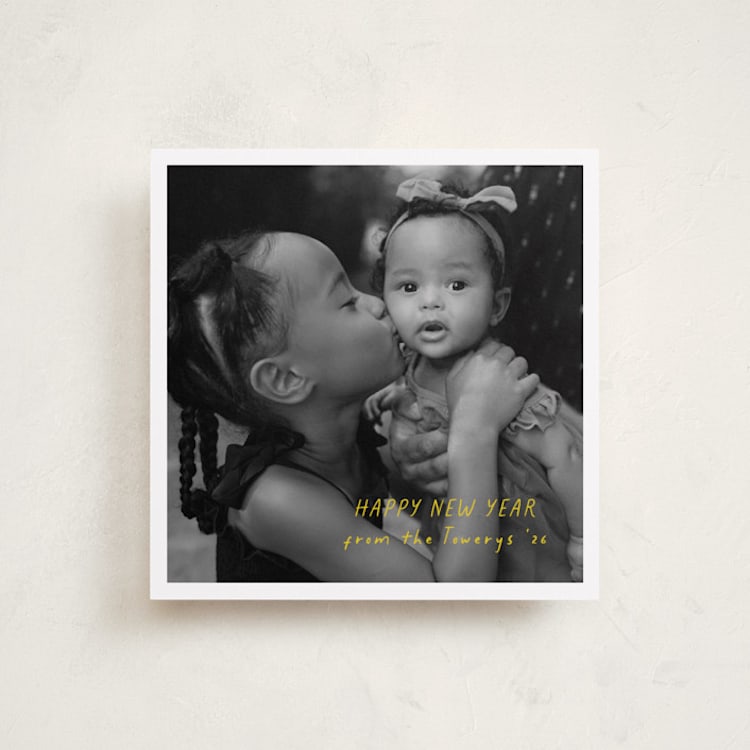
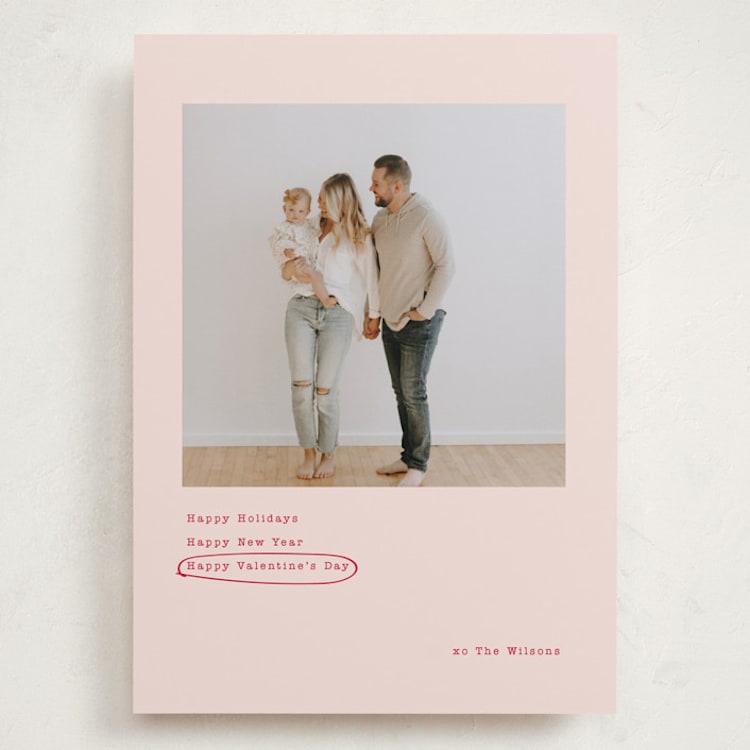
A well-chosen card sent late beats a rushed, generic one sent on time. Take the extra day to select a design that reflects your personality or matches the recipient's style. Minted's holiday card collection offers designs that work beyond the traditional holiday window, from winter scenes to New Year and even Valentine’s Day themes.
Handwritten Notes Matter More
When your card arrives late, a handwritten message transforms it from "oops" to "thoughtful." Skip the pre-printed signature and add a personal line or two to your cards before sending them off. Even a simple "Thinking of you!" in your own handwriting makes the delay feel intentional rather than forgotten.
Photos and Updates Still Work
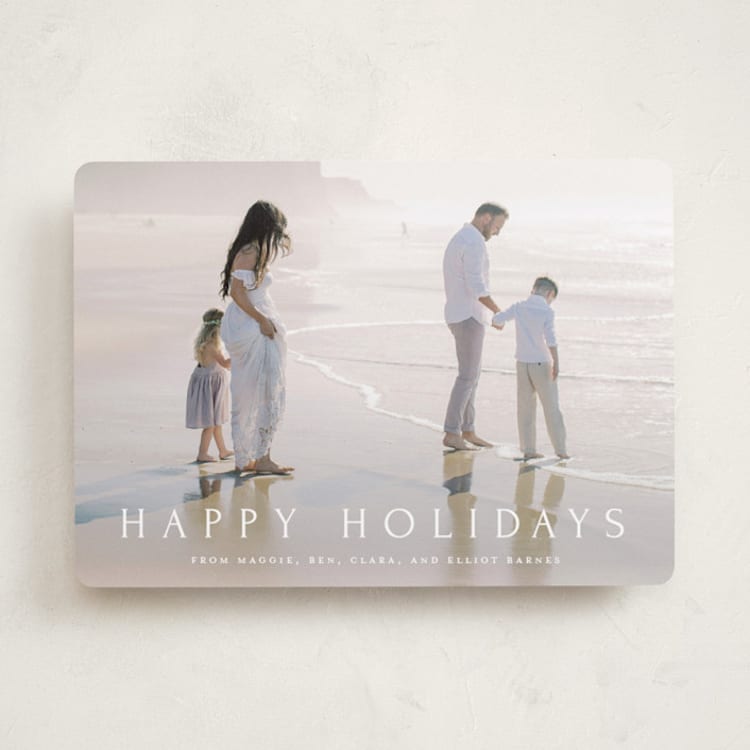
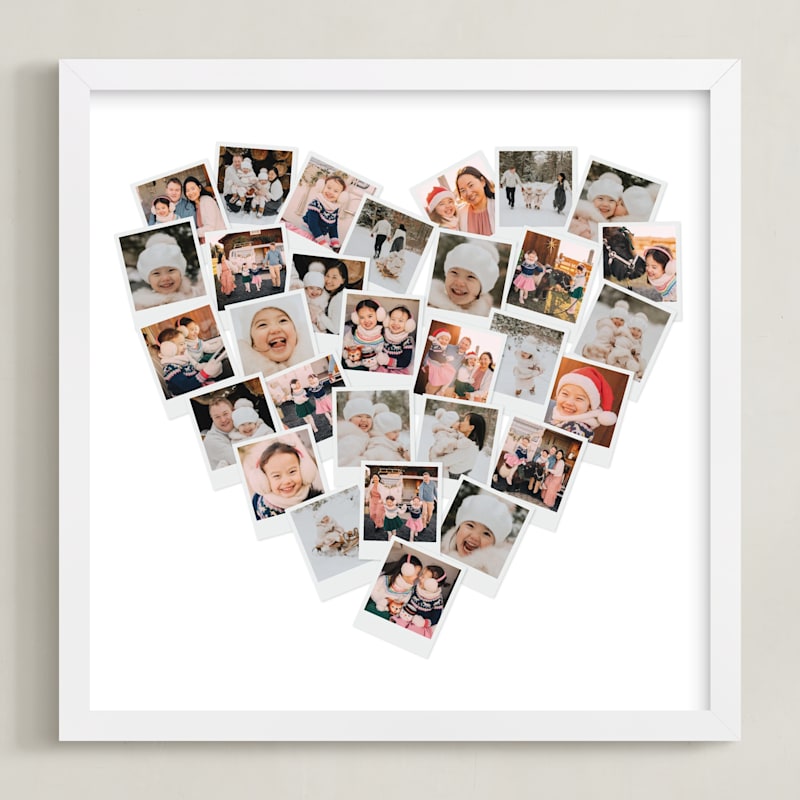
Don't skip your family photo just because it's late. Holiday cards with family photos remain appropriate long after Christmas, especially when paired with New Year's or Valentine’s Day greetings. A current photo gives recipients something meaningful and personal, making your late card feel more intentional than a generic greeting.
Design Choices for Late Cards
Choose seasonally flexible designs over specifically Christmas-themed cards. Winter landscapes, elegant typography, or New Year's motifs stay relevant longer than Santa and reindeer. These designs signal you're being thoughtful about timing rather than just sending whatever you had on hand.
What To Write In A Late Holiday Card (With Examples)
The secret to a great late holiday card message? Skip the lengthy apology and go straight to the warmth. A quick nod to timing paired with genuine wishes feels much better than three sentences of "sorry, sorry, sorry."
- Keep your timing reference light and playful. A touch of humor beats a heavy apology every time.
Example: "Late on the post, right on time with love" or "Better late than never — especially when it comes to sending you heartfelt greetings!" - Pivot to New Year or Valentine’s Day wishes when Christmas feels too far behind. Lines that focus on the year ahead work perfectly even in mid-January.
Example: "Wishing you peace, happiness, and good news in 2026." - Add one personal detail that makes the card feel custom. Reference a shared memory, mention their new job, or note something you're looking forward to together.
Example: "Hope your new kitchen gets lots of cookie-baking action this season." - Match your tone to the relationship. Keep acknowledgments brief rather than dwelling on the delay.
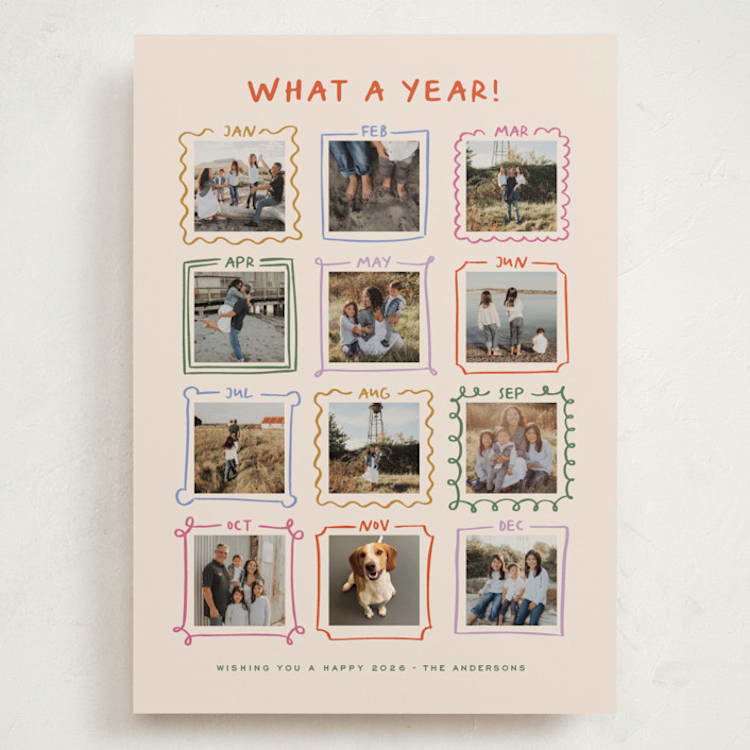
Example: Close friends can handle "Whoops! Better late than never, right?!" while colleagues might prefer "Sending warm wishes for a wonderful start to 2026." - Try a year-in-review approach for family cards. This makes lateness feel intentional, like you needed time to reflect on the year.
Example: "2025 flew by with your graduation, our move, and that amazing summer trip. Here's to more adventures in 2026!" - Combine strategies for maximum impact. Blend a light timing nod, personal details, and forward-looking wishes seamlessly.
Example: "Sorry we're running behind. 2025 was such a whirlwind with your promotion and our kitchen renovation! Can't wait to host you for dinner in the new space. Wishing you joy and exciting projects in 2026!" - When in doubt, focus on gratitude. It shifts focus from when you're sending to why you're sending.
Example: "Thank you for your friendship this year. Looking forward to more laughs in 2026" works for almost any relationship and any timing.
Timing Windows: Christmas, New Year's, And Beyond
Each card type has an ideal sending window. Match yours to when you're mailing:
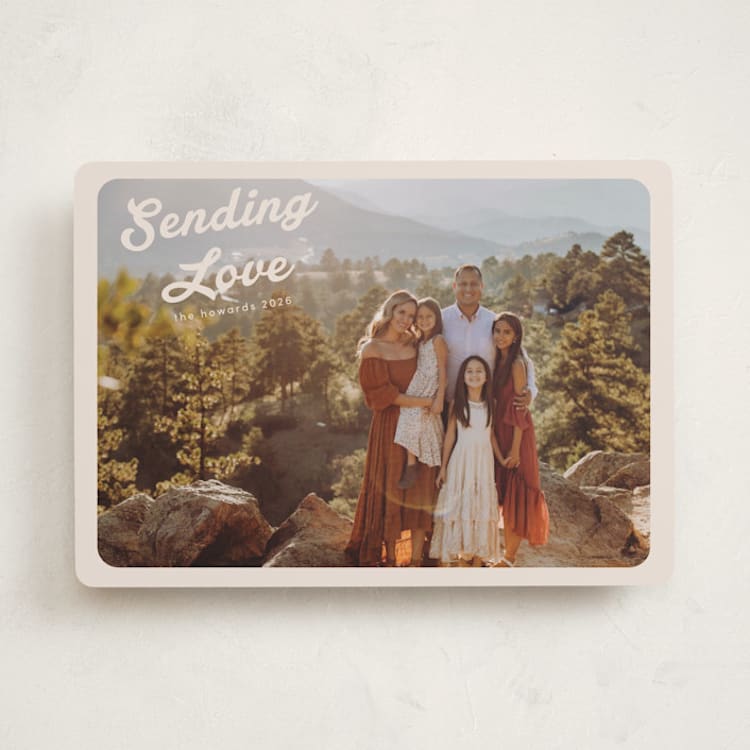
- Through mid-January: Christmas cards remain appropriate through the second week of January. Cards are typically sent anytime from Thanksgiving until a couple of weeks into the New Year. After mid-January, switch to New Year or winter themes to stay seasonally relevant.
- Through late January: New Year's cards work through a few weeks after January 1st and remain welcome through the end of January. Customize the message to acknowledge the timing while keeping it warm.
- Through mid-February: Missed the holidays entirely? Valentine's Day gives you a perfect excuse to send family updates and warm wishes when December and January have passed. Think of it as your "love you, here's what we've been up to" card — a sweet way to reconnect after the holiday rush while sharing your year's highlights.
- Through late winter: Lunar New Year and winter-themed cards work until spring arrives. Generic winter greetings like "warm wishes" or "thinking of you" sidestep specific holidays entirely and feel appropriate through February and March. Look for seasonal designs that work beyond the traditional holiday window.
Frequently Asked Questions: Late Holiday Card Etiquette In A Pinch
When you're scrambling to get cards out the door, a few quick answers can save you from overthinking the details. These questions cover the most common timing worries and help you send cards with confidence instead of stress.
Is it rude to send holiday cards after Christmas?
Not at all. Cards are typically sent from Thanksgiving until a couple of weeks into the New Year. Recipients appreciate the thoughtful gesture regardless of timing. Focus on getting your holiday cards out rather than worrying about the calendar.
How do you apologize for sending holiday cards late without overdoing it?
Keep it brief and lighthearted. Simple phrases like "Better late than never!" or "Sorry we're behind, but wanted you to know we've been thinking of you" work perfectly. A quick note on the envelope or card back is all you need.
Can you send New Year's cards after January?
Yes, but timing matters. New Year's cards work well through January. After mid-January, acknowledge the delay with phrases like "Belated New Year wishes" rather than ignoring the timing. Or, you could wait a few extra weeks and shift to sending Valentine’s Day cards in late January or early February.
What should late holiday cards say?
Focus on connection over apologies. Try "Late in the mail, right on time with love" or tie it to the new year: "Wishing you calm and good news in 2026." Acknowledge lateness upfront, but center your message on genuine warmth.
Wrap-Up: Send It With Style, Not Stress
Late holiday cards come down to two simple moves: intentional wording and thoughtful timing. A quick “always thinking of you” paired with seasonally flexible designs turns any delayed greeting into a thoughtful winter hello.
Ready to send something beautiful without the stress? Minted's Holiday Cards collection features New Year’s or Valentine’s Day messaging and winter themes that feel right on time.